
Whitetail Buck Hunt in Winchester Bay Oregon
Whitetail Hunting in Winchester Bay - What to Expect
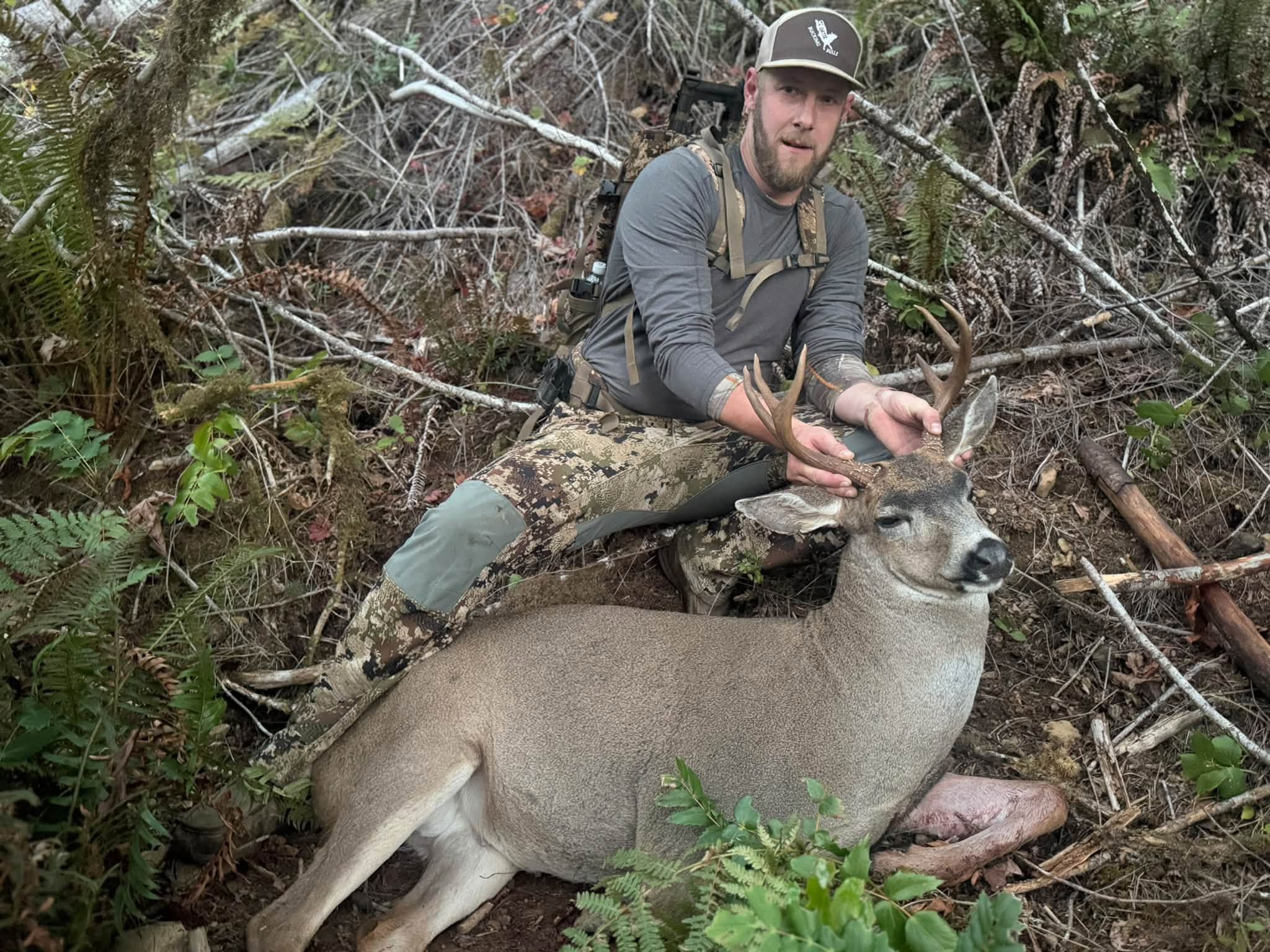
Fishing, Hunting Adventures by Guide Cody Van Dell in November
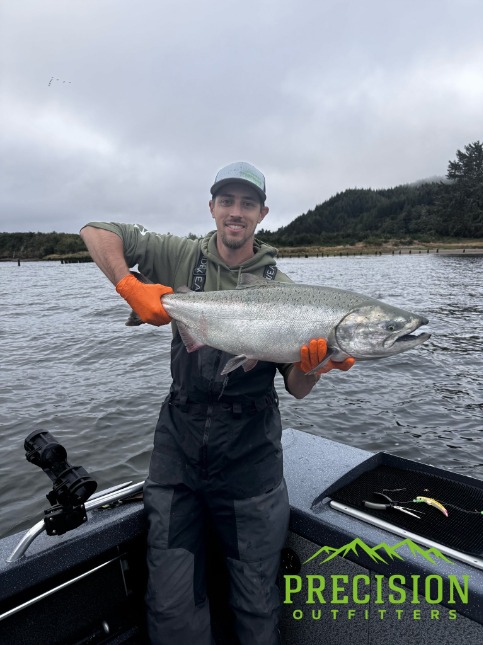
- Private hunting and fishing guide in Oregon


Summary
Join Cody Van Dell of Precision Outfitters for a whitetail hunting adventure in Winchester Bay, Oregon on Wednesday, October 21st. This guided hunting experience showcases what makes the Oregon forest a premier destination for pursuing whitetail buck and connecting with the natural landscape.
Guided Whitetail Hunting with Cody Van Dell - Rates & Booking
Guide Cody Van Dell of Precision Outfitters on Wednesday, October brought a successful whitetail hunting experience to Winchester Bay, Oregon. Working with a licensed local guide means gaining insight into the forest terrain and understanding the patterns that make this region productive for hunters.
When you book a guided hunting trip with Precision Outfitters, you're tapping into years of local knowledge about timing, location scouting, and field craft in the Oregon backcountry. Contact Precision Outfitters to discuss trip duration, group size, and what gear and licenses are included in your package. Reserve your guided hunt online to lock in your dates.
Highlights of Whitetail Hunting in Winchester Bay
The Oregon forest around Winchester Bay offers a blend of dense timber, river valleys, and open ridges that hold mature whitetail buck. Early season hunting captures the tail end of summer patterns as deer transition to fall feeding behavior. The landscape rewards patience and careful movement through quiet terrain.
Successful hunts here hinge on reading wind direction, glassing open areas, and understanding where deer move between bedding and feeding zones. The forest canopy and natural cover make stalking an effective strategy, and the moment of a clean harvest on a mature buck represents the culmination of careful planning and fieldcraft.
Whitetail Buck Behavior and Oregon Forest Habitat
Whitetail deer in the Pacific Northwest respond to seasonal changes earlier than their eastern cousins. The transition from summer to fall triggers movement patterns that hunters can capitalize on. Winchester Bay's geography includes river drainages that concentrate deer movement, creating natural corridors where bucks travel between staging areas.
Mature bucks in this region are typically solitary or travel in small bachelor groups through early fall. They become more active during low-light hours and are keenly alert to sound and scent. The Oregon forest floor - a mix of fir, oak, and undergrowth - allows for relatively quiet stalking when conditions are dry. Wind management becomes critical; deer rely on scent detection as their primary defense.
The habitat here supports healthy deer populations that grow good antler mass in response to nutritious fall browse. River bottoms and transitional zones between timber types often hold concentrations of deer, especially near water sources. Understanding these micro-habitats separates successful hunts from unsuccessful ones.
A well-executed whitetail hunt in Winchester Bay requires pre-season scouting to identify sign, determine bedding areas, and establish where bucks are moving. Precision Outfitters guides leverage this local knowledge to position hunters in productive spots. Success often comes down to being in the right place at the right time, with the patience to wait and the discipline to make an ethical shot when opportunity presents.
