%2Ffit-in%2F250x250%2Fguide_websites%2F119928%2Fimages%2F1772007707120487859765_24034746226113042_9005863055941490392_n.jpg&w=1920&q=100)
/users/114d96ad-1d1b-4251-a35b-cc26d48f4edf/ratecard/4-mm1pcjoj.png)
%2F300x300%2Fusers%2F114d96ad-1d1b-4251-a35b-cc26d48f4edf%2Fratecard%2F4-mm1pcjoj.png&w=256&q=75)
%2F300x300%2Fusers%2F114d96ad-1d1b-4251-a35b-cc26d48f4edf%2Fimages%2Fwinchester-bay-duck-hunting-success-2644.jpg&w=256&q=75)
%2F300x300%2Fusers%2F114d96ad-1d1b-4251-a35b-cc26d48f4edf%2Fimages%2Fdeer-skull-trophy-winchester-bay-2502.jpg&w=256&q=75)
%2F300x300%2Fusers%2F114d96ad-1d1b-4251-a35b-cc26d48f4edf%2Fimages%2Fwinchester-bay-turkey-hunt-success-2570.jpg&w=256&q=75)
%2F300x300%2Fusers%2F114d96ad-1d1b-4251-a35b-cc26d48f4edf%2Fimages%2Fwinchester-bay-salmon-fishing-success-2718.jpg&w=256&q=75)
%2F300x300%2Fusers%2F114d96ad-1d1b-4251-a35b-cc26d48f4edf%2Fimages%2Fwinchester-bay-turkey-hunting-success-2596.jpg&w=256&q=75)
%2F300x300%2Fusers%2F114d96ad-1d1b-4251-a35b-cc26d48f4edf%2Fimages%2Foutdoor-adventure-in-or-2637.jpg&w=256&q=75)
%2F300x300%2Fusers%2F114d96ad-1d1b-4251-a35b-cc26d48f4edf%2Fimages%2Fchinook-salmon-fishing-or-2722.jpg&w=256&q=75)
%2F300x300%2Fusers%2F114d96ad-1d1b-4251-a35b-cc26d48f4edf%2Fimages%2Fanglers-winchester-bay-2728.jpg&w=256&q=75)
%2F300x300%2Fusers%2F114d96ad-1d1b-4251-a35b-cc26d48f4edf%2Fimages%2Fchinook-salmon-winchester-bay-hunting-2748.jpg&w=256&q=75)
%2F300x300%2Fusers%2F114d96ad-1d1b-4251-a35b-cc26d48f4edf%2Fimages%2Fwinchester-bay-hunting-adventure-2691.jpg&w=256&q=75)
Oregon Duck Goose Hunt Precision Outfitters
 Oregon
What you will be catching:
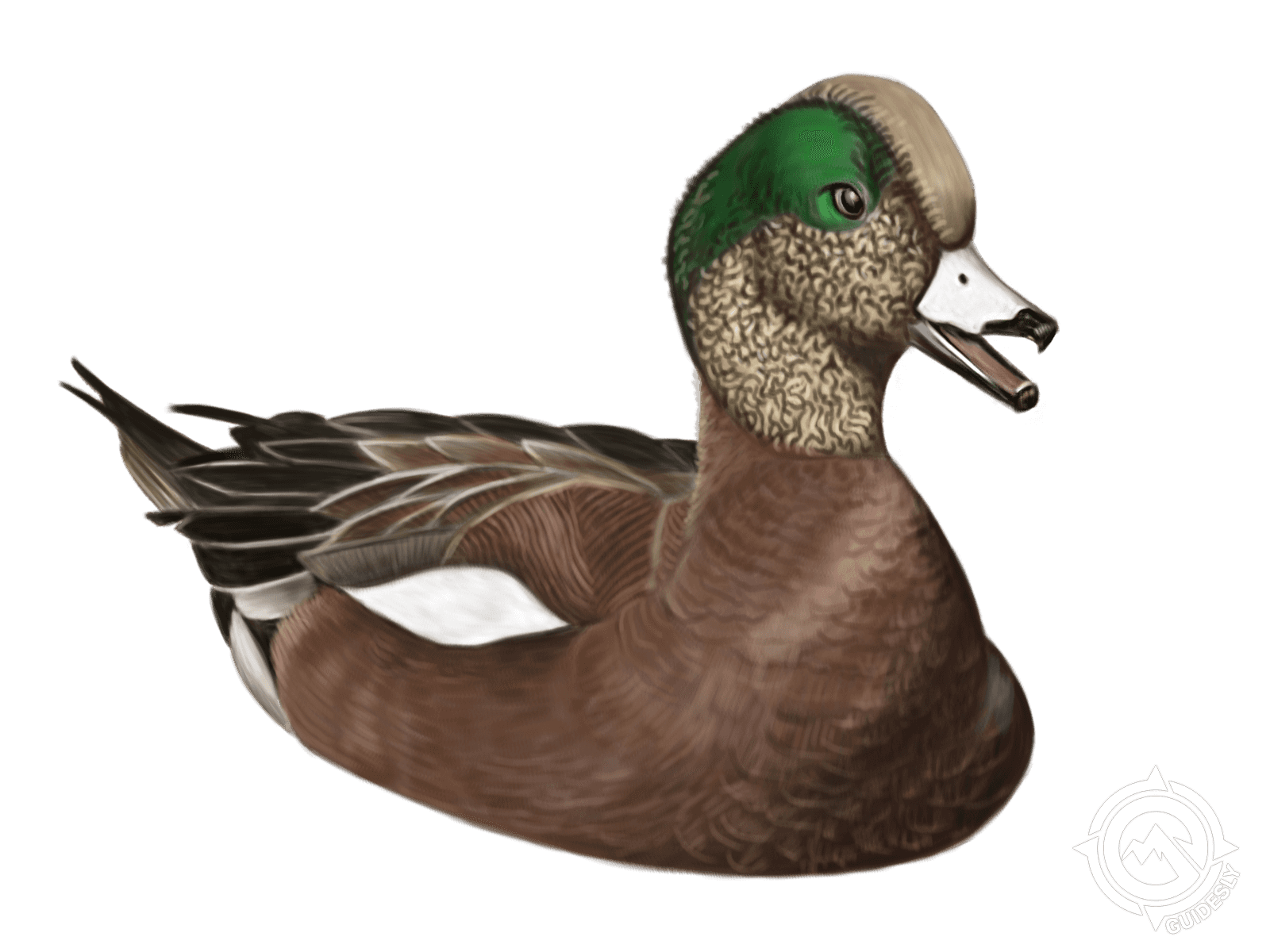
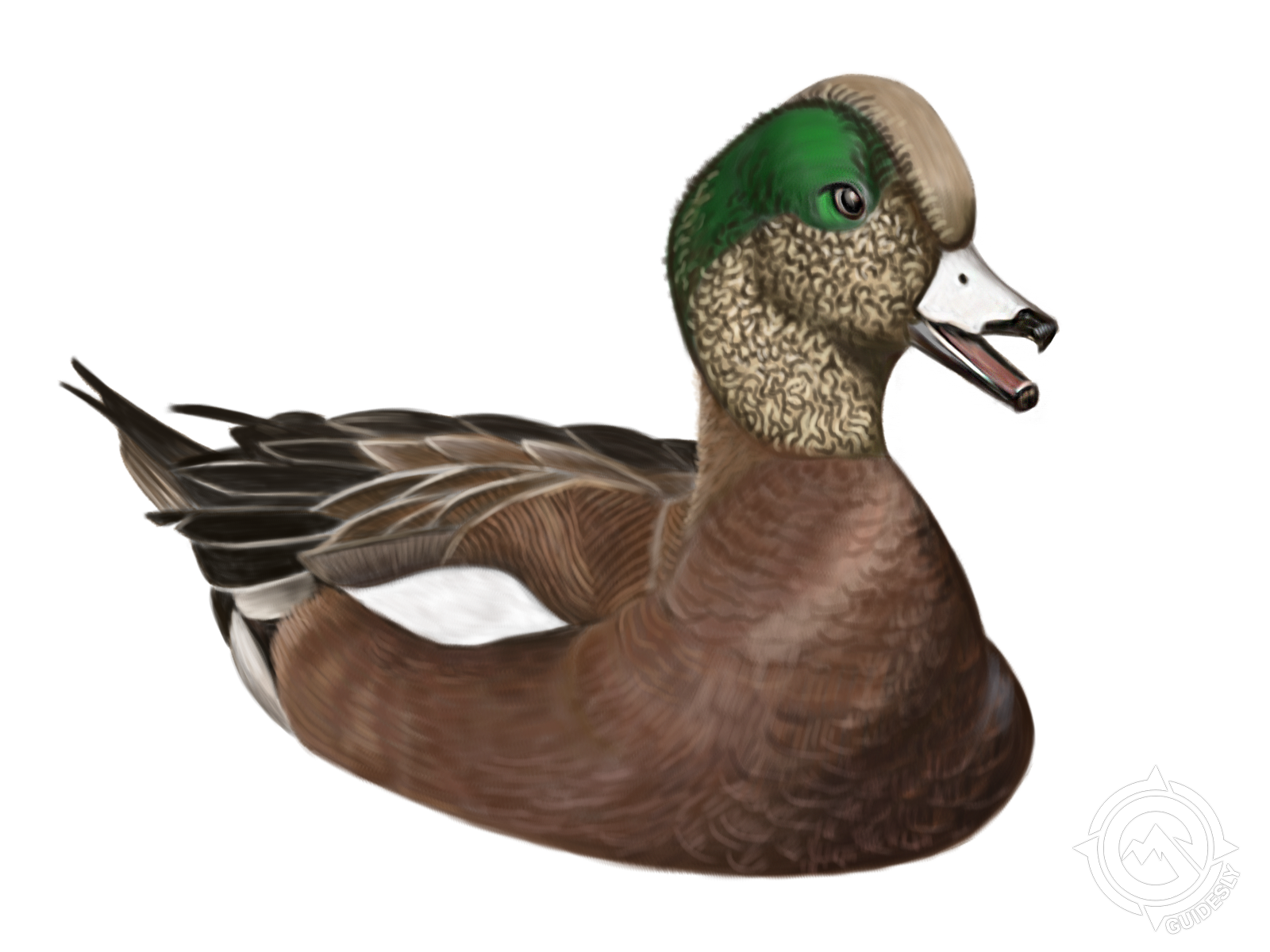 American Wigeon
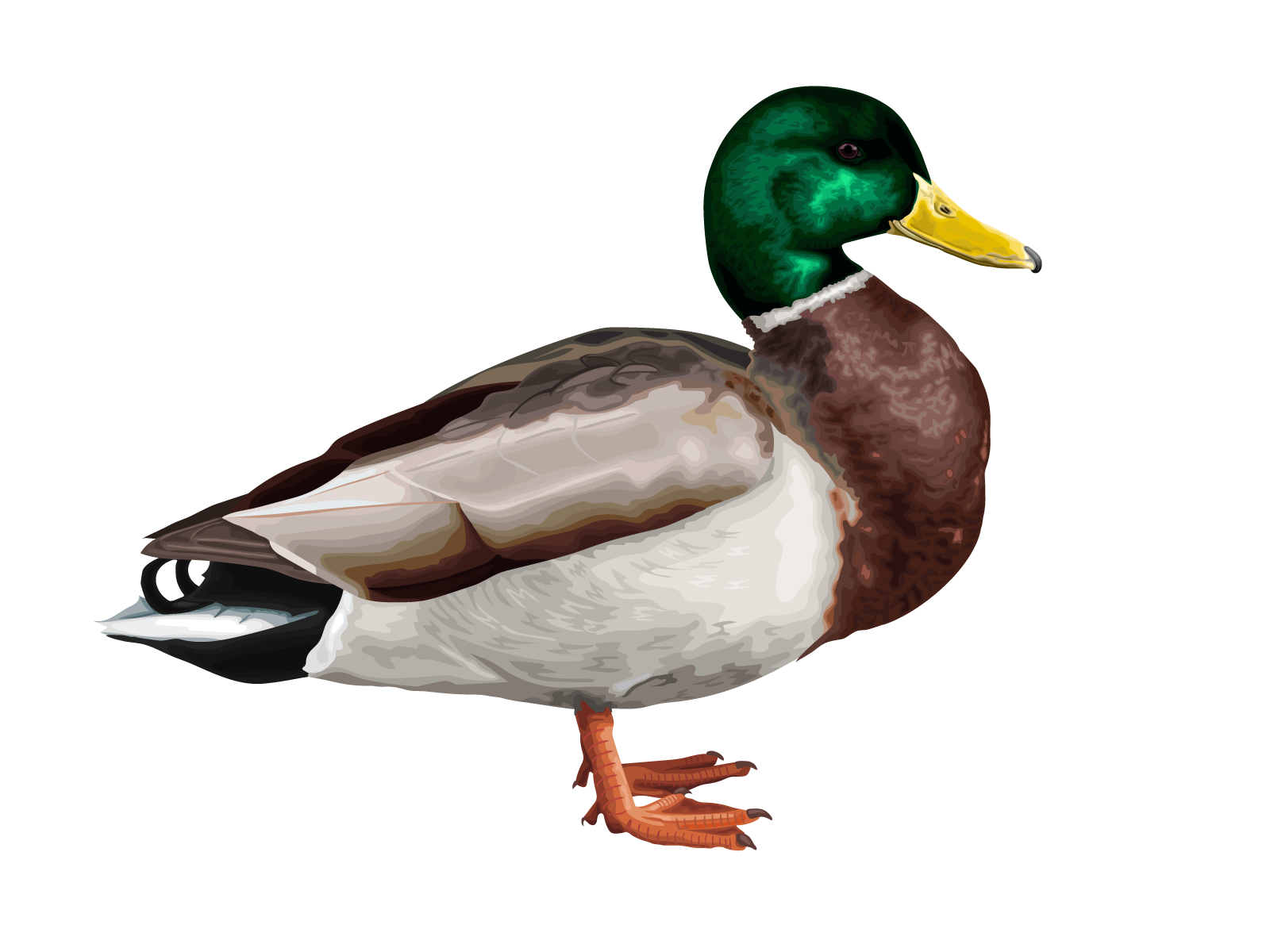 Mallard
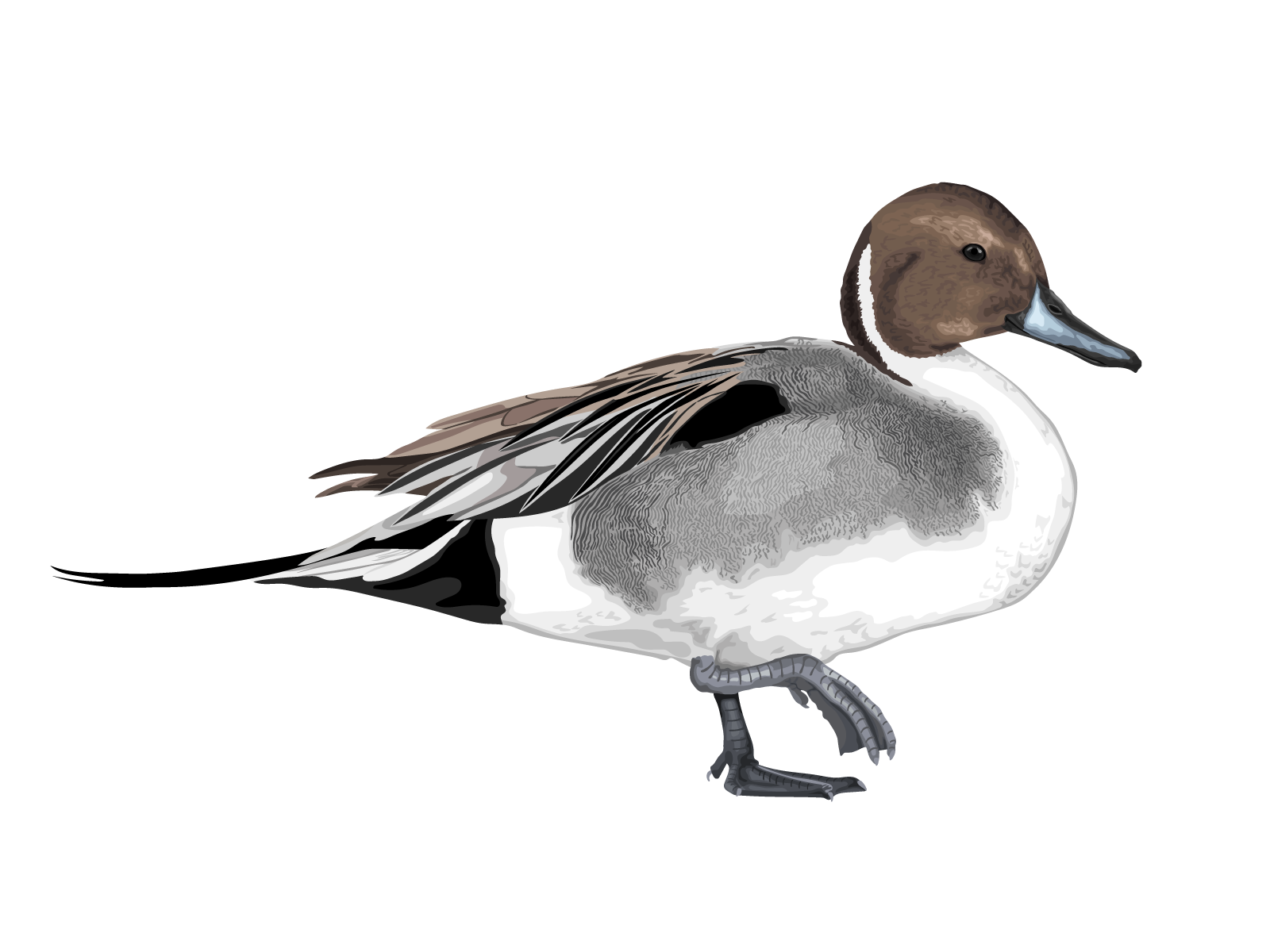 Northern Pintail
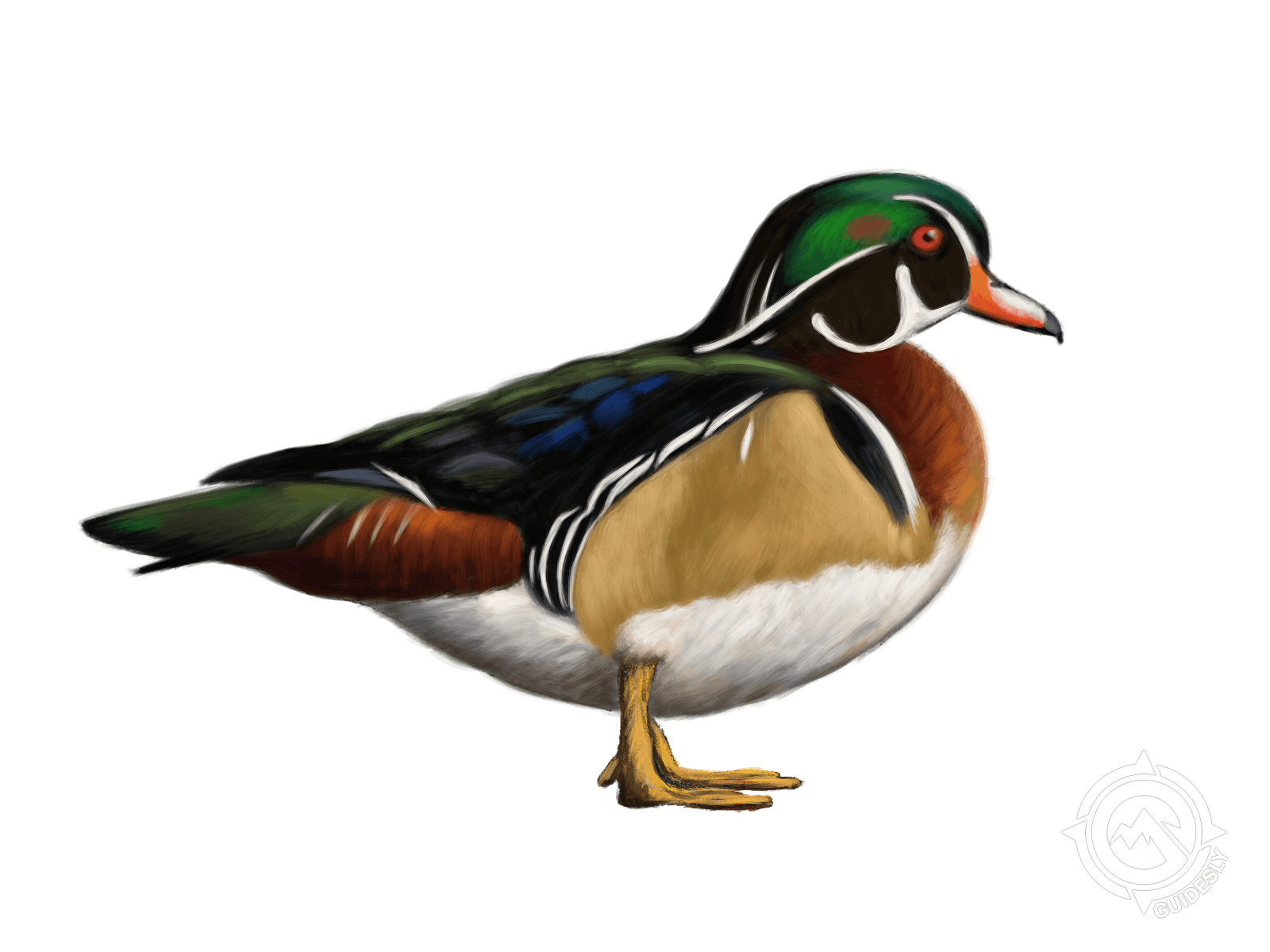
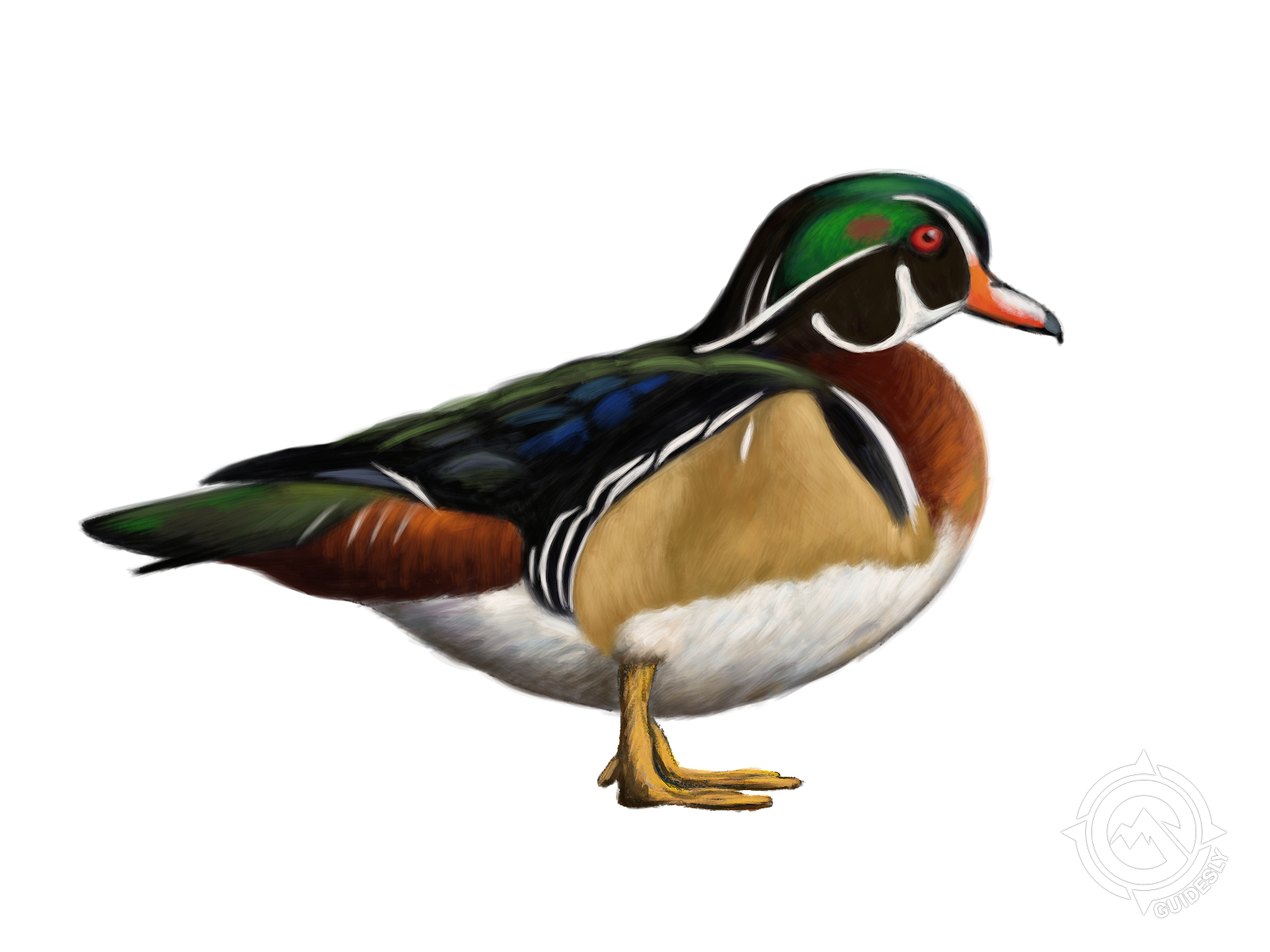 Wood Duck
- This full-day Oregon duck hunt takes you across some of the state's best waterfowl habitat – from flooded timber to river systems and prime wetlands. Your guide handles everything: scouting locations based on current bird movement, setting up decoy spreads, managing calls, and positioning blinds for the best shots. Whether you're new to duck hunting or have years under your belt, the setup works for any skill level. Small groups keep things safe and communication clear. You'll need your Oregon hunting license and waterfowl tags, but beyond that, just show up ready to hunt. The guide coordinates meeting spots and timing based on conditions.
Trip Pricing and Availabilities:
Full Day Oregon Guided Duck Hunt
Looking for a top-rated duck hunting experience in Oregon's prime waterfowl territory? This full-day guided hunt puts you right in the heart of the action, targeting four of the Pacific Flyway's most sought-after species. With Precision Outfitters handling all the details—from scouting to setup—you can focus on what matters most: clean shots and memorable hunts. Whether you're a seasoned waterfowler or picking up your first shotgun, this personalized adventure adapts to your skill level while maximizing your chances at birds.
Inside the Hunt
This isn't your typical cookie-cutter duck hunt. Your guide reads the birds daily, adjusting locations based on current flight patterns, weather conditions, and seasonal movements. One morning might find you tucked into flooded timber where wood ducks work the canopy, while another day could have you set up along active river channels where divers cruise through. Oregon's diverse wetland systems offer incredible variety, and that's exactly what makes this hunt special. Small group sizes—just you and your guide—mean better communication, safer shooting lanes, and more personalized instruction. Your guide manages the decoy spreads, handles the calling, and positions blinds for optimal concealment. All you need is your Oregon hunting license, waterfowl tags, and shotgun shells. The meeting point and start time get coordinated directly with your guide, ensuring you hit prime shooting hours when ducks are most active.
Tracking Tips & Terrain
Oregon's waterfowl hunting revolves around reading water conditions and bird behavior. Your guide scouts multiple locations before each hunt, looking for fresh sign, feeding activity, and flight patterns. Flooded timber requires different tactics than open water setups—wood ducks respond to softer calling and smaller decoy spreads, while mallards and pintails often work larger spreads in open wetlands. River systems present their own challenges, with current affecting decoy placement and birds often moving in predictable corridors. Your guide handles all the technical details: wind direction for blind placement, decoy spacing for different species, and calling sequences that match bird mood and weather conditions. The varied terrain means adapting throughout the day—what works at dawn might change completely by mid-morning as pressure builds and birds adjust their patterns.
Target Game Breakdown
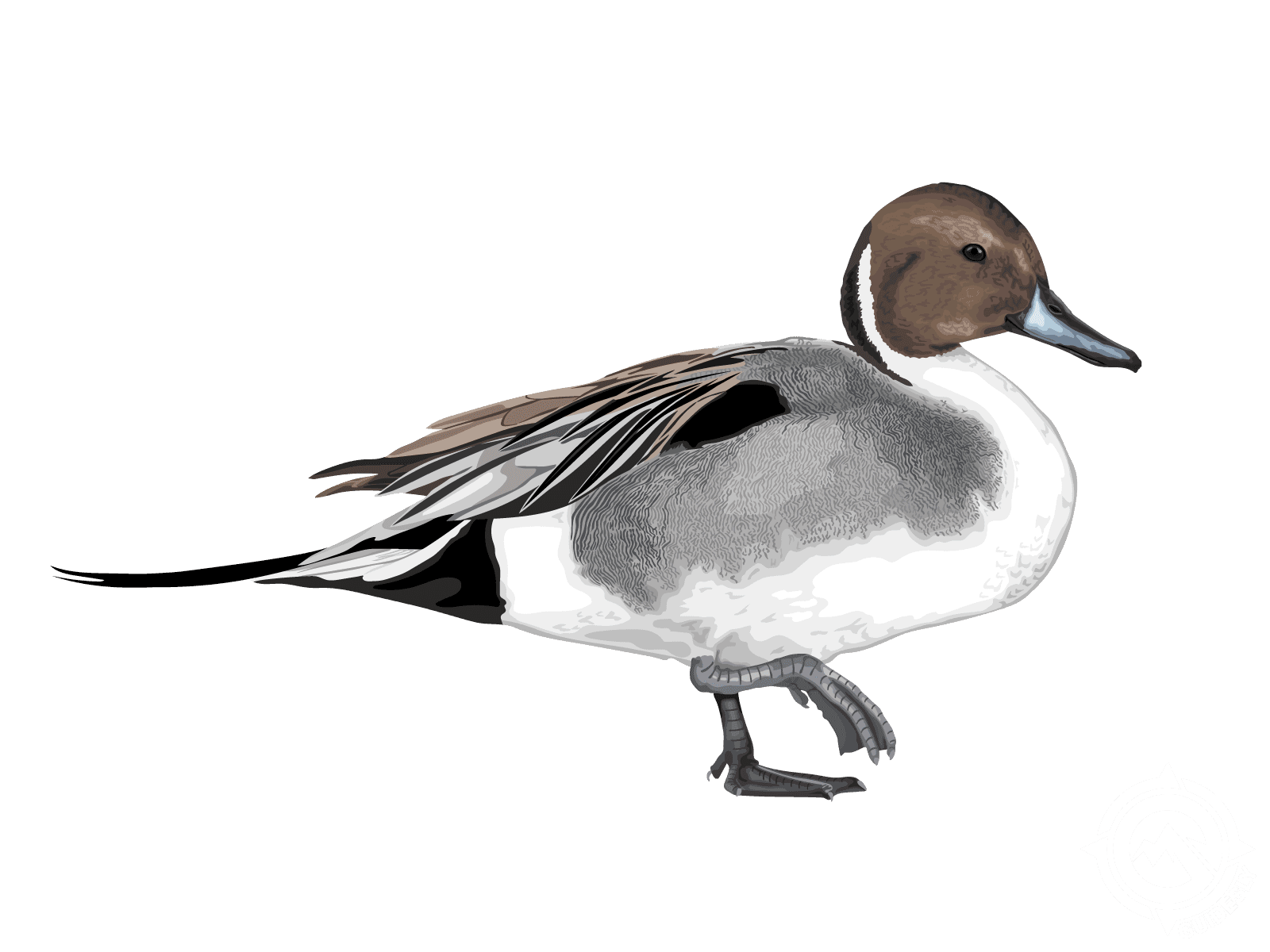
Northern Pintail are the aristocrats of the duck marsh, with their sleek profiles and distinctive calls echoing across Oregon's wetlands. These elegant birds prefer shallow water feeding areas and respond well to soft, subtle calling. Pintails typically move early in the morning and late afternoon, making them perfect targets during prime hunting hours. Their wariness keeps you sharp, but when a flock commits to your spread, few sights beat pintails cupped up and dropping into the decoys.
American Wigeon bring excitement with their distinctive whistling calls and bold white crowns. These birds love to follow other ducks into spreads, especially mallards and pintails, making mixed flocks a common sight in Oregon's diverse habitats. Wigeon are grazers, often found in shallow areas with abundant vegetation. They decoy readily but can be jumpy, requiring steady nerves and quick reflexes. Their compact size and fast flight make them a favorite challenge among experienced hunters.
Wood Duck are Oregon's most beautiful waterfowl, with males displaying incredible plumage that seems almost too colorful for the wild. These birds prefer wooded areas near water—flooded timber, beaver ponds, and tree-lined sloughs. Wood ducks require different tactics than other species, responding better to tree calls and small, intimate decoy setups. They fly fast through timber, presenting challenging shots that test your reflexes. Early season hunting is prime time, before pressure pushes them to more remote locations.
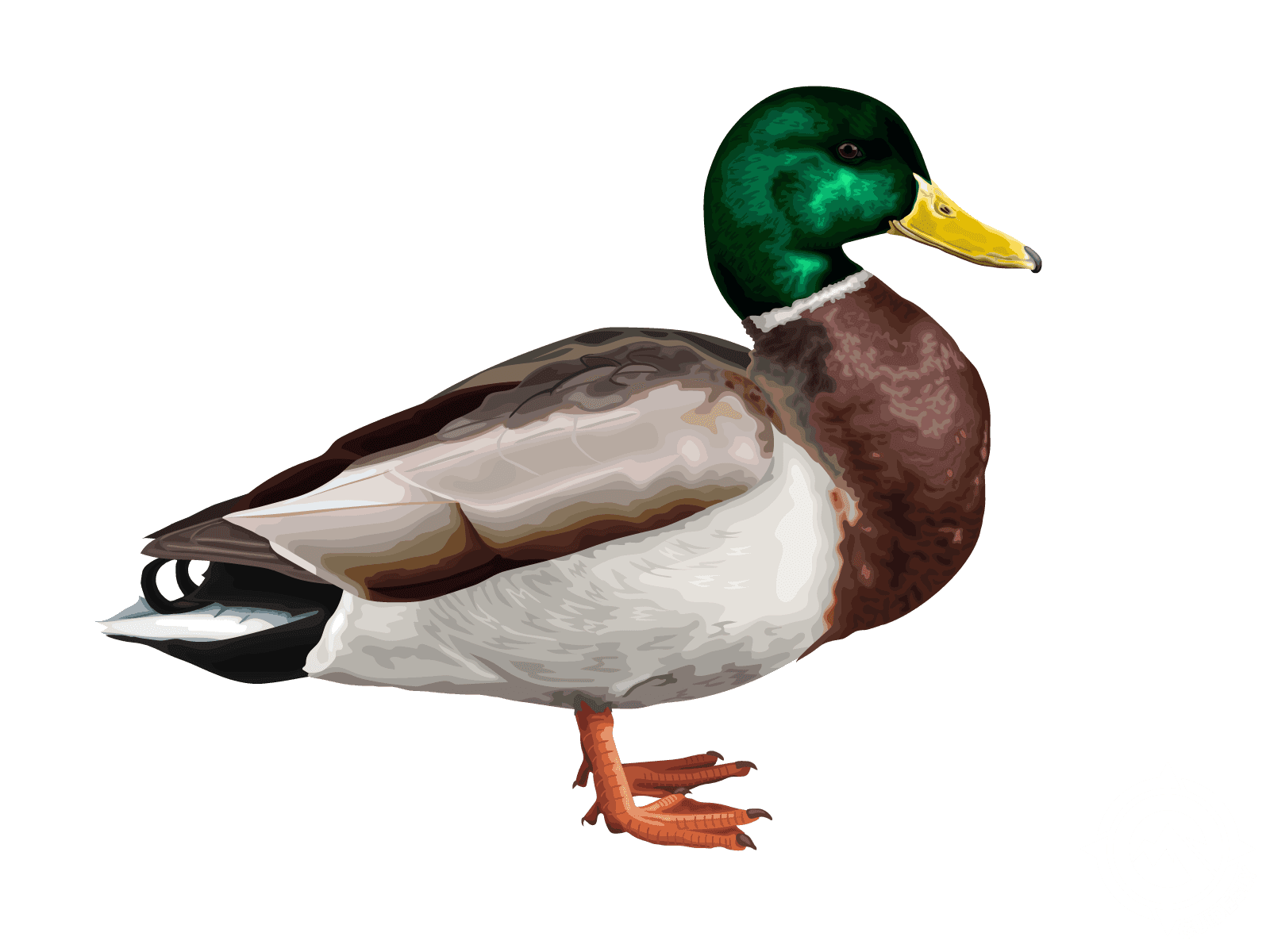
Mallard are the bread and butter of Oregon waterfowl hunting, found in virtually every habitat from urban ponds to remote marshes. These adaptable birds respond to aggressive calling and large decoy spreads, but can also be finicky on heavily pressured waters. Mallards provide great action throughout the season, with different tactics working as conditions change. Greenheads are the classic duck hunting experience—their distinctive quacking, dramatic decoy approaches, and excellent table fare make them every waterfowler's favorite target.
Book Your Next Tag
This world-class Oregon duck hunting experience delivers everything serious waterfowlers want: prime locations, expert guidance, and shots at premium species. Your guide's daily scouting and local knowledge put you on birds consistently, while the personalized approach ensures you get the most from every hunt. Oregon's Pacific Flyway location means incredible bird numbers during peak migration, and this hunt positions you perfectly to take advantage. Don't miss out on what many consider the best duck hunting Oregon has to offer—spots fill quickly during prime season, and this customer favorite books solid with repeat hunters year after year. Get your Oregon license and tags sorted, then secure your date for a hunt that'll remind you why you fell in love with waterfowling in the first place.
Learn more about the animals
American Wigeon
Wigeon are chunky, compact ducks that hunters love for their cooperative nature and excellent table fare. Drakes weigh around 1.5 pounds with that white cap and green eye stripe - we call them "baldpates" for good reason. They're shallow water birds, preferring flooded grass fields and pond edges where they graze like little cows on vegetation. Best hunting comes November through early February when northern birds join our locals. Wigeon are social and respond well to decoys, often dropping in with other species. The meat's outstanding - some say the best-tasting duck we hunt. Here's the trick: throw out a few wigeon whistles when you see distant flocks. They're curious birds and that signature three-note call will often turn them your way when nothing else works.
Mallard
Mallards are the bread and butter of Oregon duck hunting - big, hardy birds that drakes can hit 3 pounds. They're adaptable and use everything from deep water potholes to grain fields, but really shine in flooded timber and cattail marshes. Season peaks from late October through January when Canadian birds join our year-round residents. What makes mallards great is their size and the way they respond to calling - nothing beats watching a flock of greenheads cup their wings and drop into your spread. The meat's solid and versatile in the kitchen. My go-to trick: when mallards are working but hanging up just out of range, hit them with a sharp comeback call - that aggressive "HEY! COME BACK!" quack sequence. Works every time when they start to flare.
Northern Pintail
Pintails are elegant, medium-sized ducks with long necks and distinctive pointed tails that give them their name. Drakes run about 2 pounds with that classic chocolate head and white stripe. These birds love shallow water - flooded fields, marsh edges, and mudflats where they can tip forward to feed on seeds and vegetation. Peak season here runs October through January when big flocks move through the Pacific Flyway. What makes pintails special is their wariness - they're smart birds that'll test your calling skills. The meat's excellent, lean and mild. Pro tip: pintails respond well to feeding calls early morning, but switch to soft quacks and low chuckles once they start circling. Keep your head down - they've got sharp eyes.
Wood Duck
Wood ducks are smaller birds - about 1.3 pounds - but they're absolute showstoppers with their colorful plumage and unique habits. Unlike most ducks, woodies love timber and nest in tree cavities. You'll find them in flooded oak bottoms, beaver ponds, and along wooded creeks. They're jumpy birds that explode straight up when spooked. Early season September through October is prime time before they get educated, plus late December when northern birds move through. Hunters love the challenge - they're fast, unpredictable, and gorgeous birds. The meat's rich and flavorful. Key tip: wood duck calling is all about the rising whistle. Practice that "woo-eek" call until it's natural. Set your decoys close to cover and be ready for quick shots through the trees.