%2Ffit-in%2F250x250%2Fguide_websites%2F119928%2Fimages%2F1772007707120487859765_24034746226113042_9005863055941490392_n.jpg&w=1920&q=100)
/users/114d96ad-1d1b-4251-a35b-cc26d48f4edf/ratecard/ratecardpicture-1-mn5m5gmo.jpg)
%2F300x300%2Fusers%2F114d96ad-1d1b-4251-a35b-cc26d48f4edf%2Fratecard%2Fratecardpicture-1-mn5m5gmo.jpg&w=256&q=75)
%2F300x300%2Fusers%2F114d96ad-1d1b-4251-a35b-cc26d48f4edf%2Fimages%2Fwinchester-bay-duck-hunting-success-2644.jpg&w=256&q=75)
%2F300x300%2Fusers%2F114d96ad-1d1b-4251-a35b-cc26d48f4edf%2Fimages%2Fdeer-skull-trophy-winchester-bay-2502.jpg&w=256&q=75)
%2F300x300%2Fusers%2F114d96ad-1d1b-4251-a35b-cc26d48f4edf%2Fimages%2Fwinchester-bay-turkey-hunt-success-2570.jpg&w=256&q=75)
%2F300x300%2Fusers%2F114d96ad-1d1b-4251-a35b-cc26d48f4edf%2Fimages%2Fwinchester-bay-salmon-fishing-success-2718.jpg&w=256&q=75)
%2F300x300%2Fusers%2F114d96ad-1d1b-4251-a35b-cc26d48f4edf%2Fimages%2Fwinchester-bay-turkey-hunting-success-2596.jpg&w=256&q=75)
%2F300x300%2Fusers%2F114d96ad-1d1b-4251-a35b-cc26d48f4edf%2Fimages%2Foutdoor-adventure-in-or-2637.jpg&w=256&q=75)
%2F300x300%2Fusers%2F114d96ad-1d1b-4251-a35b-cc26d48f4edf%2Fimages%2Fchinook-salmon-fishing-or-2722.jpg&w=256&q=75)
%2F300x300%2Fusers%2F114d96ad-1d1b-4251-a35b-cc26d48f4edf%2Fimages%2Fanglers-winchester-bay-2728.jpg&w=256&q=75)
%2F300x300%2Fusers%2F114d96ad-1d1b-4251-a35b-cc26d48f4edf%2Fimages%2Fchinook-salmon-winchester-bay-hunting-2748.jpg&w=256&q=75)
%2F300x300%2Fusers%2F114d96ad-1d1b-4251-a35b-cc26d48f4edf%2Fimages%2Fwinchester-bay-hunting-adventure-2691.jpg&w=256&q=75)
Oregon Turkey Hunting Precision Outfitters
 Oregon
What you will be catching:
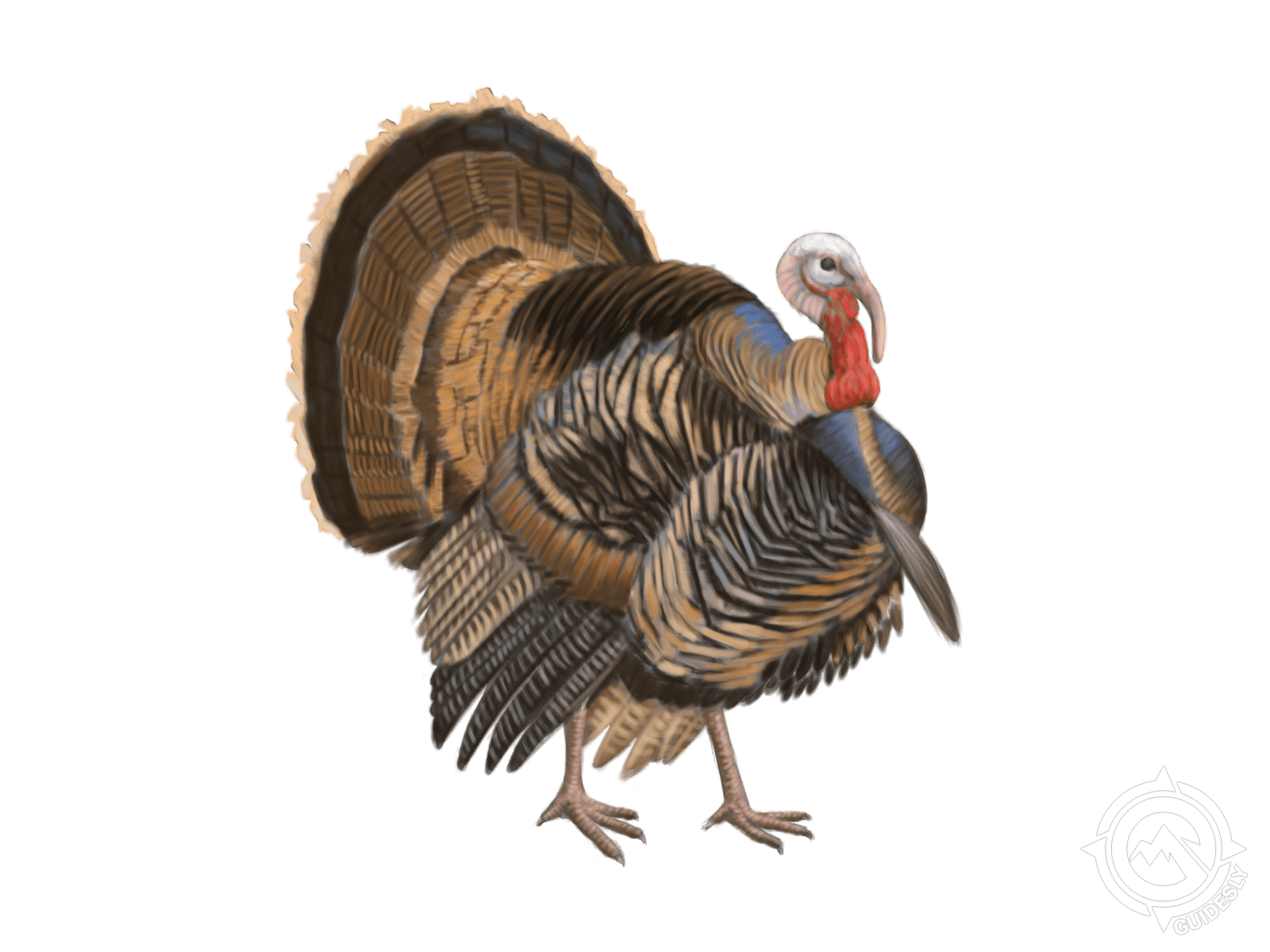
 Merriam's Turkey
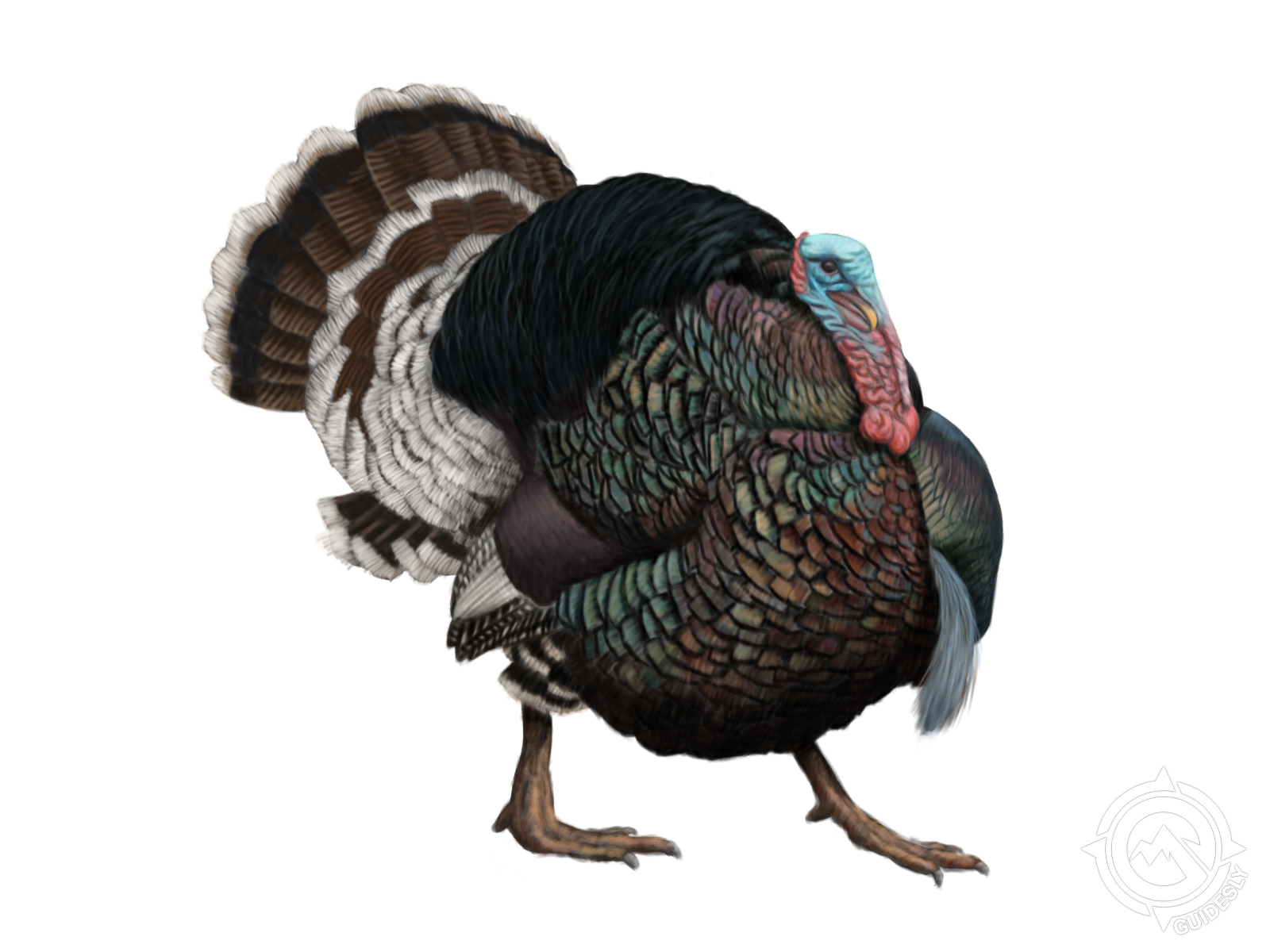
 Rio Grande Turkey
- This guided turkey hunt in Oregon puts you after Merriam's or Rio Grande birds with an experienced guide who knows the local patterns. We handle all the scouting and calling while you focus on the hunt. The terrain varies from timber edges to open fields, giving us multiple setups depending on where the birds are moving. Perfect for first-time turkey hunters or seasoned pros looking for a solid day in Oregon's turkey country. You'll need your Oregon license and turkey tag, and we'll coordinate meeting spots and start times based on what the birds are doing that day. One-on-one guiding means personalized instruction and better chances at getting on birds.
Trip Pricing and Availabilities:
Oregon Guided Turkey Hunting with Precision Outfitters
Get ready for a top-rated turkey hunting adventure in Oregon's diverse terrain, where Merriam's and Rio Grande subspecies roam timber edges and open fields. This full-day guided hunt puts you one-on-one with an experienced local guide who knows these birds inside and out. Whether you're a seasoned hunter looking to add Oregon turkeys to your collection or a newcomer wanting to learn proper calling techniques, this personalized experience delivers the local knowledge and professional setup that makes all the difference in the field.
Inside the Hunt
Your guide handles all the heavy lifting before you even arrive – scouting active areas, identifying roost sites, and mapping out the best approach routes based on current bird patterns. This isn't a walk-and-hope situation. We're talking about strategic positioning at timber edges where turkeys transition from roost to feeding areas, plus setups in open fields where these birds love to strut and display. The one-on-one format means your guide can adjust calling strategies on the fly, teach you proper positioning, and share real-time insights about what the birds are telling us with their vocalizations. Every hunter gets undivided attention, which is crucial when you're learning to read turkey behavior or trying to perfect your calling technique. You'll need to bring your valid Oregon hunting license and turkey tag, but beyond that, your guide provides the expertise and local knowledge that turns a good day into a successful hunt.
Tracking Tips & Terrain
Oregon's turkey habitat offers incredible variety, and knowing how to work different terrain types separates successful hunters from those who go home empty-handed. Your guide will show you how to use natural features like ridge lines and creek bottoms to approach without spooking birds. Timber edges are prime real estate here – turkeys use these transition zones to move between roosting areas and feeding grounds, and setting up along these natural highways puts you in the right place at the right time. Open field setups require different tactics entirely, often involving decoy spreads and longer-range calling to pull birds across meadows or clearings. The varied elevation changes across Oregon's hunting units mean turkeys might be using completely different patterns depending on weather, season, and hunting pressure. Your guide reads these conditions daily and adjusts approach strategies accordingly. Learning to identify fresh sign, understanding how weather affects turkey movement, and recognizing prime strutting areas are skills that transfer to future hunts anywhere you chase these birds.
Target Game Breakdown
Rio Grande turkeys in Oregon are absolute bruisers, with mature toms often weighing 18-20 pounds and sporting impressive beard length. These birds adapted well to Oregon's varied habitat and tend to be more vocal than their eastern cousins, which makes for exciting calling sequences. Rio Grandes love open country mixed with scattered timber, and they're known for traveling significant distances between roosting and feeding areas. Spring gobbling season finds them at peak vocal activity, responding aggressively to calls when breeding pressure is high. They're customer favorites because they offer predictable patterns while still presenting challenging hunting scenarios. Merriam's turkeys bring a different energy to Oregon hunts, typically found in higher elevation areas with mixed coniferous forests. These mountain birds are incredibly hardy and known for their strong flight capabilities – watching a Merriam's tom pitch down from a tall pine is something every turkey hunter should experience. They tend to be more cautious than Rio Grandes but respond well to softer calling techniques. Merriam's also have distinctive white-tipped tail feathers that make for beautiful trophy displays. Both subspecies peak during spring season when toms are actively seeking hens, making for world-class hunting opportunities across Oregon's diverse landscape.
Book Your Next Tag
This guided turkey hunt delivers exactly what serious hunters want – professional expertise, proven techniques, and access to prime Oregon habitat where these birds thrive. Your guide's daily scouting and intimate knowledge of local turkey patterns gives you the best shot at success, whether you're after your first tom or adding to an already impressive collection. The personalized approach means you're not competing with other hunters for your guide's attention, and you'll come away with skills that improve your hunting anywhere turkeys are found. Oregon's turkey populations are strong, the terrain is diverse and beautiful, and the birds offer challenging hunting that rewards patience and proper technique. Contact your guide after booking to coordinate meeting locations and start times based on current conditions. This is trending as one of the best turkey hunting values in the Pacific Northwest, and tags are moving fast as word spreads about the quality of birds and guiding services. Don't wait until peak season to secure your spot – the best hunting dates fill up quickly among hunters who know what Oregon turkeys can offer.
Learn more about the animals
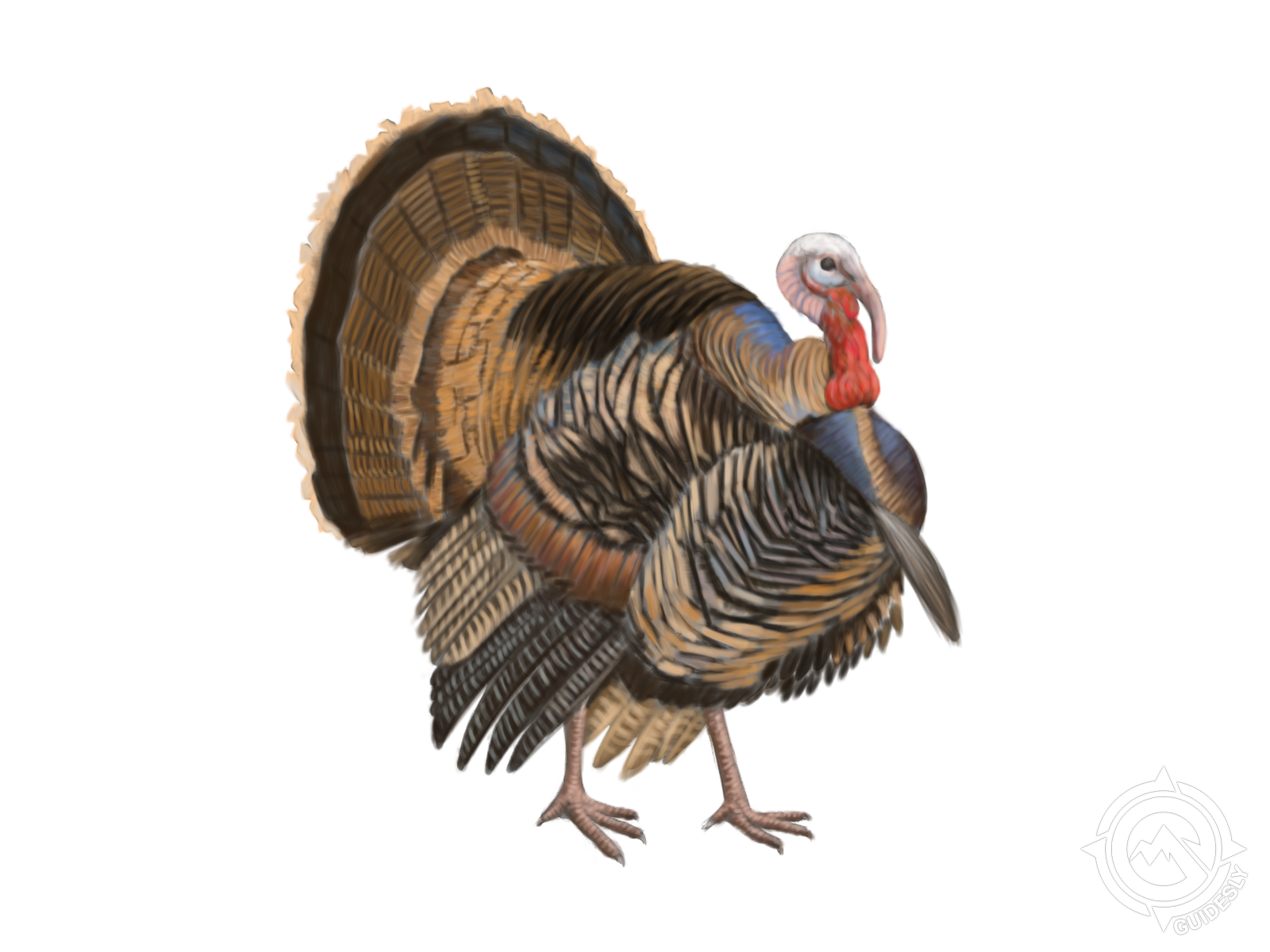
Merriam's Turkey
Merriam's turkeys are the mountain birds of Oregon, typically running 16-18 pounds for mature gobblers with distinctive white-tipped tail feathers that make them easy to identify. You'll find them in timbered country - ponderosa pine forests, oak woodlands, and anywhere there's good cover with nearby openings. They roost in tall trees and work the forest edges during daylight hours. Spring hunting from late April into May gives you the best shot when gobblers are actively seeking hens and responding to calls. Hunters love Merriam's because they're smart, wary birds that test your skills - plus the white tail fan makes a beautiful trophy. Key tip: these birds love to travel ridgelines, so position yourself along travel corridors between roosting and feeding areas rather than calling from valley bottoms.
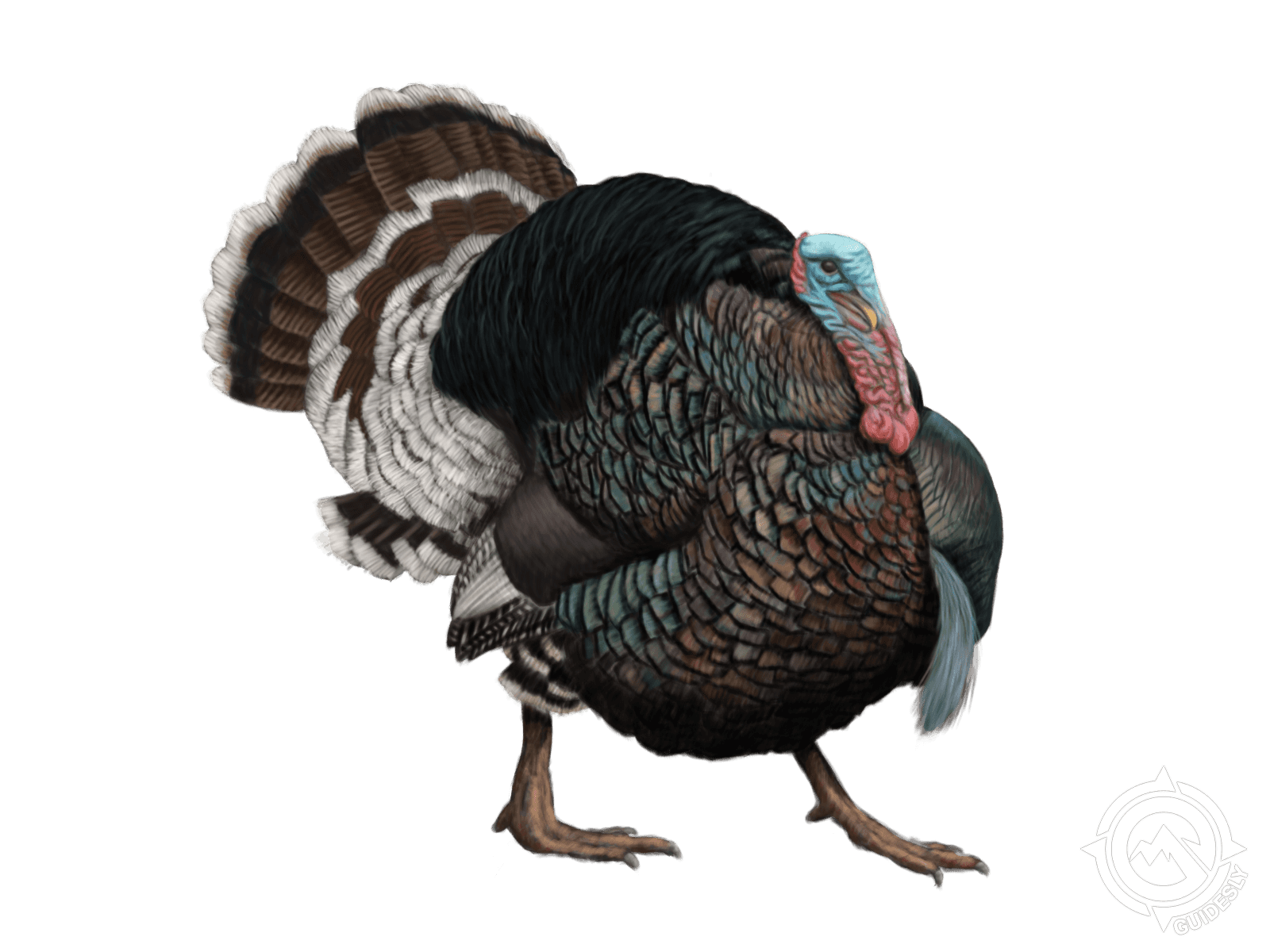
Rio Grande Turkey
Rio Grande turkeys are solid birds, with mature gobblers hitting 18-20 pounds and sporting impressive beards. These subspecies love the mix of open country and scattered timber we have in eastern Oregon - they'll roost in cottonwoods along creek bottoms but feed out in grasslands and agricultural areas. Spring season from mid-April through May is prime time when toms are gobbling strong and responding well to calls. What makes Rio Grandes special is their vocal nature - they're chattier than other subspecies and will often gobble back aggressively to hen calls. The meat is lean and tasty, perfect for the table. My go-to trick is setting up near water sources early morning - these birds need to drink daily and will follow predictable routes from roost to water to feeding areas.