%2Ffit-in%2F250x250%2Fguide_websites%2F119928%2Fimages%2F1772007707120487859765_24034746226113042_9005863055941490392_n.jpg&w=1920&q=100)
/users/114d96ad-1d1b-4251-a35b-cc26d48f4edf/ratecard/3-mm1ope7i.png)
%2F300x300%2Fusers%2F114d96ad-1d1b-4251-a35b-cc26d48f4edf%2Fratecard%2F3-mm1ope7i.png&w=256&q=75)
%2F300x300%2Fusers%2F114d96ad-1d1b-4251-a35b-cc26d48f4edf%2Fimages%2Foutdoor-adventure-in-or-2637.jpg&w=256&q=75)
%2F300x300%2Fusers%2F114d96ad-1d1b-4251-a35b-cc26d48f4edf%2Fimages%2Fchinook-salmon-fishing-or-2722.jpg&w=256&q=75)
%2F300x300%2Fusers%2F114d96ad-1d1b-4251-a35b-cc26d48f4edf%2Fimages%2Fanglers-winchester-bay-2728.jpg&w=256&q=75)
%2F300x300%2Fusers%2F114d96ad-1d1b-4251-a35b-cc26d48f4edf%2Fimages%2Fchinook-salmon-winchester-bay-hunting-2748.jpg&w=256&q=75)
%2F300x300%2Fusers%2F114d96ad-1d1b-4251-a35b-cc26d48f4edf%2Fimages%2Fwinchester-bay-hunting-adventure-2691.jpg&w=256&q=75)
%2F300x300%2Fusers%2F114d96ad-1d1b-4251-a35b-cc26d48f4edf%2Fimages%2Foutdoor-adventure-or-2683.jpg&w=256&q=75)
%2F300x300%2Fusers%2F114d96ad-1d1b-4251-a35b-cc26d48f4edf%2Fimages%2Flone-hunter-winchester-bay-2610.jpg&w=256&q=75)
%2F300x300%2Fusers%2F114d96ad-1d1b-4251-a35b-cc26d48f4edf%2Fimages%2Fhunting-expedition-oregon-2674.jpg&w=256&q=75)
%2F300x300%2Fusers%2F114d96ad-1d1b-4251-a35b-cc26d48f4edf%2Fimages%2Fbest-salmon-fishing-winchester-bay-2677.jpg&w=256&q=75)
%2F300x300%2Fusers%2F114d96ad-1d1b-4251-a35b-cc26d48f4edf%2Fimages%2Fadventurous-fishing-expedition-2613.jpg&w=256&q=75)
Oregon Black Bear Hunt 5 Day Precision Outfitters
 Oregon
What you will be catching:
 Black Bear
- Five-day guided black bear hunt in Western Oregon timber country
- Spot-and-stalk tactics with baiting methods in varied terrain
- Oregon hunting license and bear tags required prior to arrival
Trip Pricing and Availabilities:
5 Day Guided Bear Hunt Oregon
If you're serious about putting a black bear on the ground in Western Oregon, this five-day guided hunt with Precision Outfitters is built for hunters who want the real deal. We're talking one guide per hunter, which means you get personalized attention and the flexibility to adapt tactics based on what the bears are doing. This isn't a rush job – five full days gives us time to glass properly, adjust locations when bears shift patterns, and use both spot-and-stalk and baited methods where legal. The extra days matter because bears don't punch a time clock, and weather in Western Oregon can change fast. You'll meet directly with your guide to coordinate the exact start time and location, ensuring we're set up for success from day one.
Inside the Hunt
This hunt runs across mixed terrain that Western Oregon is famous for – thick timber, clear-cuts, berry patches, and ridgelines that offer solid glassing opportunities. Your guide knows these areas like the back of their hand, and they'll read sign, track movement patterns, and position you where bears are actually moving. We use spot-and-stalk tactics when bears are active in open areas, but we'll also set up on bait sites where regulations allow. The beauty of having five days is that we can be patient and methodical instead of rushing shots. Bears in this region are smart and have plenty of cover, so having that extra time to let situations develop properly makes all the difference. You'll spend time hiking ridges at first light, sitting productive oak flats during midday, and watching travel corridors as evening approaches.
Tracking Tips & Terrain
Western Oregon's timber country offers diverse hunting scenarios, and your guide will teach you how to read the landscape for bear sign. We'll look for tracks in soft dirt roads, scat near berry patches, and claw marks on trees where bears have been feeding or marking territory. The terrain varies from steep canyon bottoms filled with oak and madrone to logged areas that have regrown into prime bear habitat. Spot-and-stalk hunting here means glassing open slopes and clear-cuts, especially during morning and evening hours when bears move to feed. When we're using bait, your guide will position you downwind with clear shooting lanes, usually 30-50 yards from the bait site. The key is staying still and being ready – bears can appear suddenly and disappear just as fast. Weather plays a big role, so we'll adjust tactics based on wind direction, rain, and temperature changes that affect bear activity throughout the day.
Target Game Breakdown
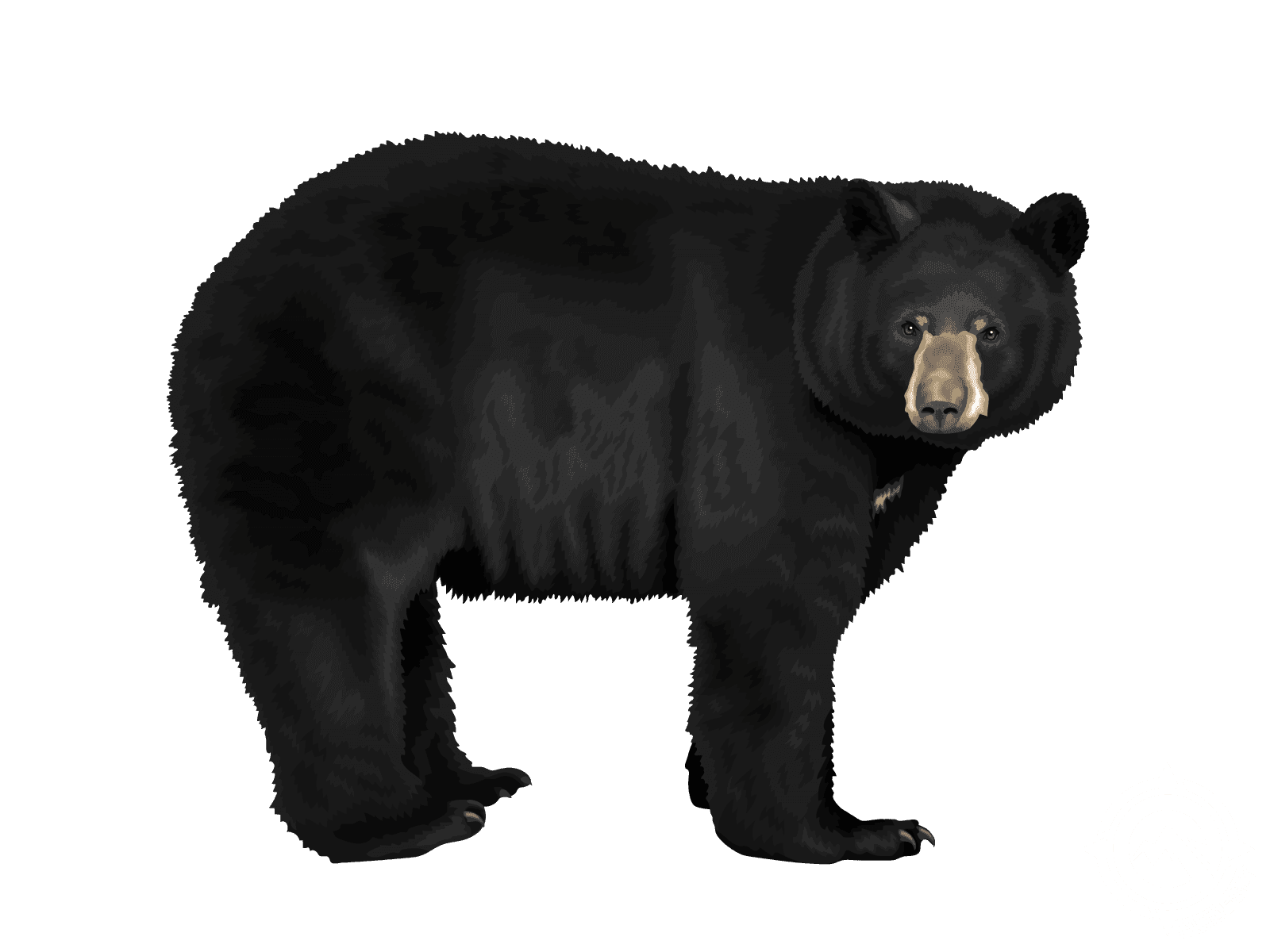
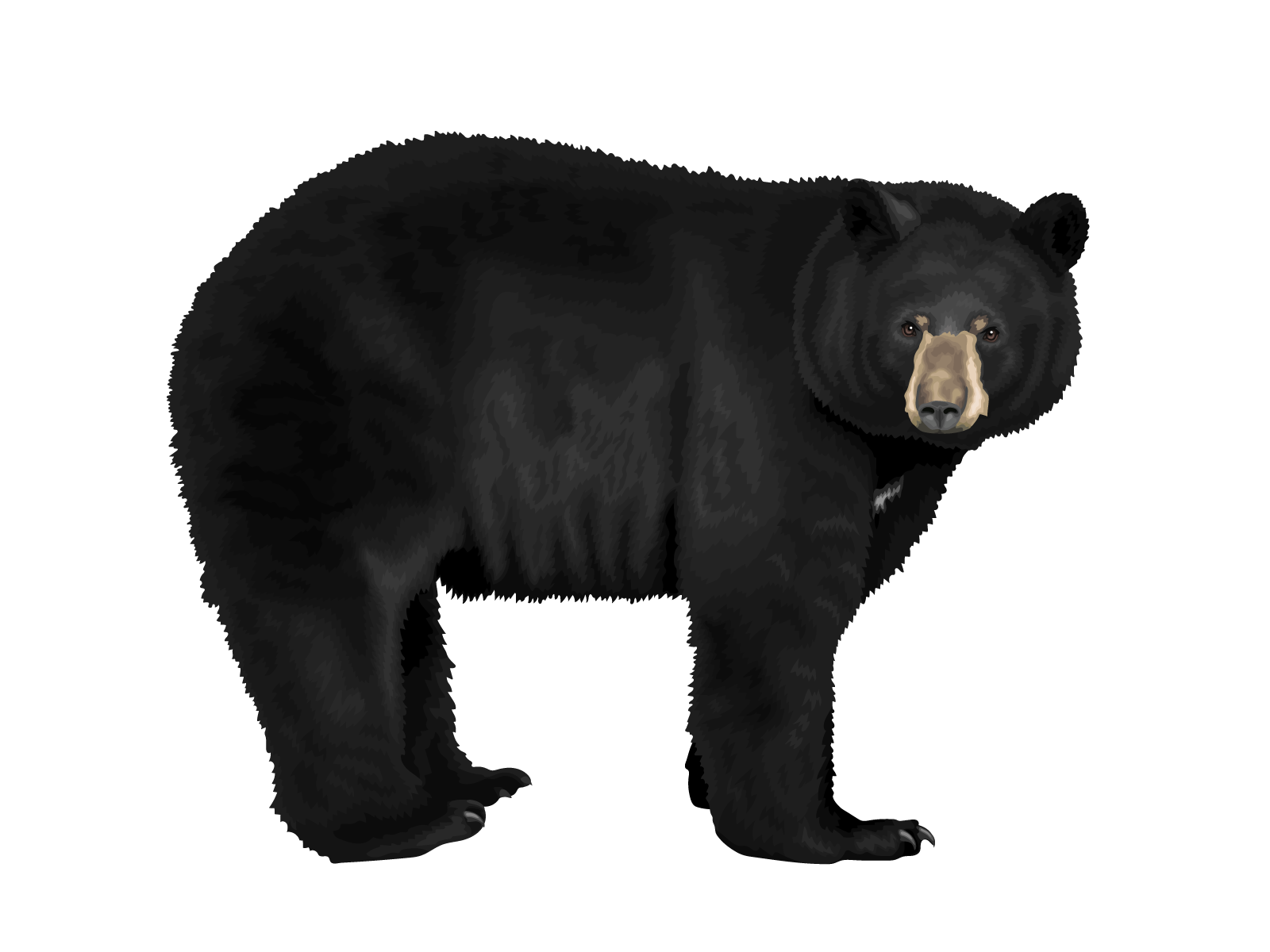
Black bears in Western Oregon are healthy, well-fed animals that can range from 150 to over 400 pounds depending on age and season. Spring bears are typically more active as they emerge from winter dens and search for food, while fall bears are bulking up for the coming winter. These bears have diverse diets – they'll hit berry patches hard in late summer, tear apart logs for insects, and raid oak groves for acorns in the fall. What makes Oregon black bears exciting to hunt is their intelligence and wariness. They've learned to avoid human activity and use the thick timber to their advantage. Colors range from jet black to chocolate brown, and occasionally you'll spot a cinnamon-colored bear. The best times to target them are early morning and late afternoon when they're moving to feed. Bears here are creatures of habit, using the same travel routes and feeding areas repeatedly, which is why having five days allows your guide to pattern their movement and position you for the best shot opportunities.
Book Your Next Tag
This five-day hunt gives you the best shot at harvesting a quality black bear in some of Oregon's top bear country. The one-on-one guide ratio means you're not competing for attention or waiting for other hunters to make their moves. Your guide brings years of experience reading bear behavior and knows how to adapt when conditions change. Remember to secure your Oregon hunting license and bear tags before arrival – that's on you to handle ahead of time. The extended timeframe takes pressure off and lets you hunt smart instead of rushed. Deposits are non-refundable, so make sure you're committed to the dates before booking. Western Oregon's bear population is healthy and the habitat is prime, but success still depends on putting in the work and making good decisions when opportunities present themselves. If you want a top-rated bear hunting experience with a guide who knows these mountains inside and out, this hunt delivers exactly what serious bear hunters are looking for.
Learn more about the animal
Black Bear
Oregon black bears typically range from 150-400 pounds, with mature boars pushing even bigger in good berry years. They're surprisingly adaptable, moving between old growth timber, clearcuts, and oak woodlands depending on food sources. Spring finds them in lower elevations after denning, while late summer pulls them to huckleberry patches and oak ridges. These bears are smart and have excellent noses - they'll pick up human scent from incredible distances. What makes them special is the combination of challenge and reward. They test your patience, woodsmanship, and shot placement, but the meat is outstanding when properly cared for. The key here is elevation changes - bears follow the food, so think vertically. Early season means checking south-facing slopes where they're grazing new growth, but as berries ripen, get ready to climb higher.